
Join a community of professionals and get:
on all CeFPro events.
unlock speaker decks and audience polls.
Full library access the moment you sign up.
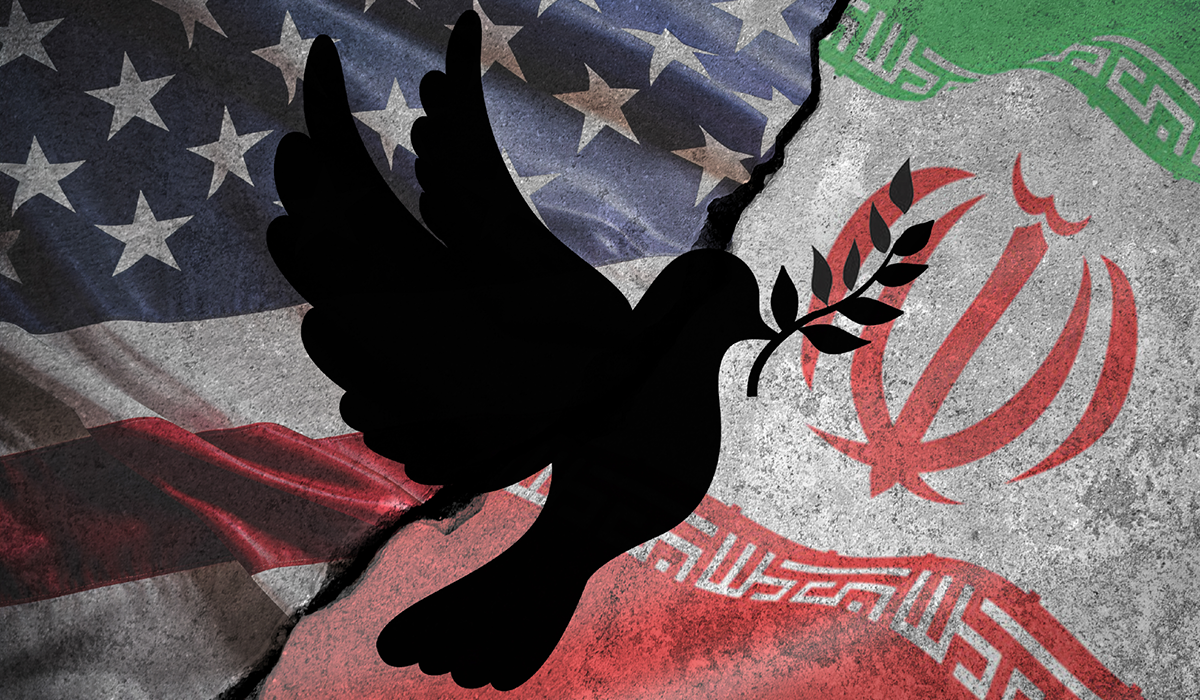
- A U.S.-Iran ceasefire
is expected to reduce immediate risks facing global banks
- Oil prices and bond
yields eased as hopes for peace improved market sentiment
- Banks may benefit
from lower inflation pressure and calmer credit markets
- Financial
institutions remain cautious due to ongoing geopolitical uncertainty
- Compliance and
sanctions risks linked to Iran are expected to remain elevated
- Analysts warn renewed
tensions around the Strait of Hormuz could quickly reverse gains
Multiple
economics experts have said that a confirmed ceasefire between the United
States and Iran would be expected to deliver short-term relief to the global
banking industry after months of market turmoil driven by surging oil prices,
inflation fears and escalating geopolitical risk.
In
spite of Iran’s leadership denying the two sides were close to reaching
agreement, and in the face of continued US air strikes on strategic military
targets, President Donald Trump’s suggestion that a deal was “imminent” has
served to calm the markets.
However,
financial institutions remain wary that geopolitical instability, sanctions
uncertainty and inflation risks could quickly return if the fragile agreement
collapses.
Financial institutions across the United States, Europe and the Middle East are
likely to benefit from stabilizing commodity prices and calmer credit markets
if the agreement holds, analysts said, although many warned the banking sector
will continue to operate cautiously while uncertainty surrounding sanctions and
regional security persists.
Markets reacted positively in
anticipation of a breakthrough, with oil prices falling sharply on hopes of a
deal that could reopen the Strait of Hormuz and restore disrupted energy flows.
Brent crude dropped below $100 a
barrel during recent trading sessions as investors priced in the prospect of
reduced supply disruption risk.
The conflict has placed enormous
strain on global financial markets since the closure of the Strait of Hormuz
earlier this year disrupted roughly one fifth of the world’s oil supplies and
triggered fears of stagflation across major economies.
Banks have spent much of the crisis
preparing for elevated credit losses, liquidity pressures and market volatility
as energy costs surged and central banks reconsidered plans for interest rate
cuts.
“The immediate benefit for banks is
the reduction in tail risk,” said one London-based banking analyst. “A
sustained ceasefire lowers the probability of a severe energy shock triggering
widespread loan deterioration and corporate distress.”
Major lenders with significant
exposure to shipping, aviation, energy-intensive manufacturing and emerging
markets are expected to see the greatest improvement in sentiment. Lower oil
prices could ease pressure on corporate borrowers already struggling with high
financing costs and weak consumer demand.
Bond markets have also shown signs of
stabilizing as hopes for peace negotiations improved. UK government borrowing
costs recently fell to their lowest levels in weeks amid expectations that
easing geopolitical tensions could help moderate inflationary pressures.
For central banks and bank treasury
teams, the ceasefire could provide breathing room after months of concern that
persistent energy inflation would force policymakers to maintain elevated
interest rates for longer than expected.
However, banking executives and risk
managers remain cautious about declaring victory too early.
Despite ceasefire discussions,
military strikes and maritime tensions have continued intermittently,
highlighting how fragile the diplomatic process remains.
Analysts warned that even a temporary
disruption to Gulf shipping routes or renewed sanctions escalation could
rapidly reverse recent gains in market confidence.
“There is still considerable
geopolitical event risk embedded in markets,” said a New York-based credit
strategist. “Banks will remain highly sensitive to any sign that the ceasefire
is deteriorating or that shipping through Hormuz is threatened again.”
Compliance and financial crime teams
are also expected to remain under pressure. Even if hostilities ease, U.S.
sanctions targeting Iranian financial networks, oil exports and shipping
operations are likely to remain complex and fluid.
That means banks will still need to
devote substantial resources to sanctions screening, transaction monitoring and
anti-money laundering controls tied to Middle Eastern counterparties and
cross-border payments.
Some analysts believe the ceasefire
could ultimately encourage banks to cautiously re-engage with regional
investment opportunities if stability improves and sanctions restrictions ease
over time.
Still, most observers expect lenders
to maintain conservative risk appetites until the political environment becomes
more predictable.
The broader concern for many banks is
that the conflict exposed how vulnerable global financial markets remain to
sudden geopolitical shocks.
The disruption triggered sharp swings
in oil, bond and equity markets while forcing financial institutions to revisit
stress testing assumptions tied to inflation, liquidity and operational
resilience.