
Join a community of professionals and get:
on all CeFPro events.
unlock speaker decks and audience polls.
Full library access the moment you sign up.
- The OCC has returned
Zerohash's application for a national trust bank charter rather than
approving or rejecting it
- Zerohash says the
move is administrative, coordinated with the regulator and not based on
the merits of its proposal
- The company plans to
submit a revised application focused on a narrower range of trust
activities
- The OCC's guidance
allows applications to be returned if information or governance
arrangements are materially deficient
- Questions have been
raised about compliance leadership disclosures and previous litigation
involving the firm's compliance function
- The resubmission will
be closely watched as crypto firms continue pursuing federal banking
charters
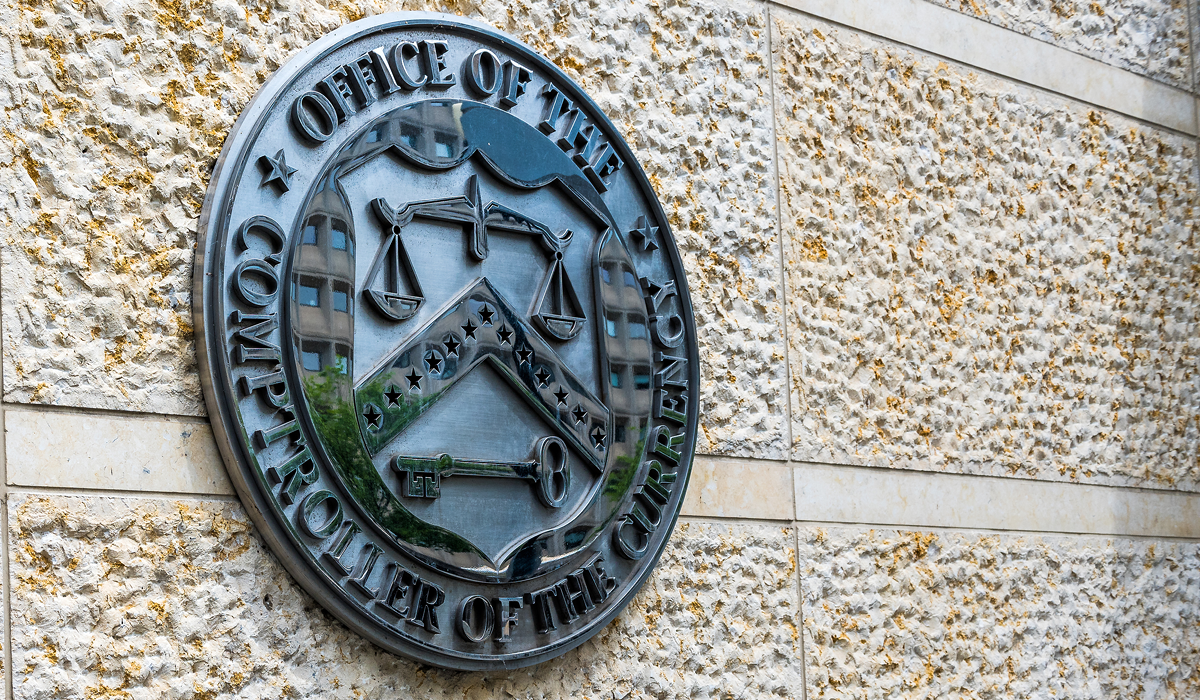
The Office of the Comptroller of the
Currency (OCC) has returned Zerohash's application for a national trust bank
charter, pausing the cryptocurrency infrastructure provider's efforts to
establish a federally regulated trust bank while leaving the door open for a
swift resubmission.
The action, disclosed through the
regulator's public filings rather than a formal announcement, represents the
first known instance in the current wave of digital asset charter applications
in which the OCC has returned, rather than approved or denied, a trust bank
filing.
In a statement issued last week,
Zerohash sought to downplay the significance of the decision, describing it as
an administrative step rather than a judgment on the merits of its proposal.
"This approach was taken in
coordination with the OCC and is not a substantive decision on the merits of
our application, and it does not affect Zerohash's current operations, which
continue under our existing regulatory approvals," the company said.
Zerohash added that it intends to
refile its application this month and looks forward "to swift review of
the resubmission."
The OCC's June guidance explains that
applications may be returned if they are considered materially deficient.
The regulator said this can occur
when applicants fail to provide sufficient information for the agency to
determine whether statutory or regulatory requirements have been met.
Examples cited by the OCC include
incomplete biographical or financial information, inadequate responses to
requests for additional information, or insufficient detail regarding proposed
products, governance arrangements, risk management frameworks and compliance
infrastructure.
Neither the OCC nor Zerohash has
disclosed which of those factors prompted the application's return.
Zerohash submitted its trust charter
application in March, seeking authorization to provide a broad range of digital
asset and fiduciary services.
The company has since decided to
narrow the scope of its proposal, saying it will pursue "a sequenced
approach to the authorization of services, with a more focused approval of
national trust activities aligned with our intended rollout timeline."
The Chicago-based firm already
operates under a range of existing regulatory approvals, including money
transmitter and related licenses across 47 U.S. states, Puerto Rico and the
District of Columbia.
It has also established itself as a
significant provider of cryptocurrency infrastructure, with Morgan Stanley
among its most prominent partners through digital asset services offered on the
E*Trade platform.
The returned filing comes amid
heightened scrutiny of national bank and trust charter applications involving
fintech and digital asset firms.
Last month, the OCC denied Wise's
application for a national trust bank charter, concluding that the organizers
had failed to demonstrate sufficient familiarity with federal banking laws and
identifying concerns relating to anti-money laundering compliance.
Earlier this month, the regulator
also rejected Dutch neobank Bunq's application for a national bank charter,
citing significant supervisory and compliance concerns.
Unlike those decisions, Zerohash's
filing was neither approved nor rejected, leaving open the possibility that the
company could address the OCC's concerns through a revised submission.
Questions have nevertheless emerged
regarding the original application.
A review by Inner City Press
identified what appeared to be inconsistencies in the filing's executive
listings, including two different individuals being identified as Chief
Compliance Officer in consecutive sections.
One executive, Adam Berg, is listed
elsewhere in the application as Chief Financial Officer, while another
executive, Erik Kiefel, serves as deputy Chief Compliance Officer and Chief
Anti-Money Laundering Officer.
Additional attention has focused on
the company's compliance function following litigation filed in California by
former Global Chief Compliance Officer Edgar Guerra.
The former Federal Reserve examiner
alleged that he raised more than 250 compliance concerns with Zerohash's board
following regulatory inquiries after the collapse of cryptocurrency exchange
FTX, including issues relating to anti-money laundering controls.
Guerra claims he was dismissed in
2023, in part to conceal those findings. The allegations remain claims made in
ongoing legal proceedings.
The outcome of Zerohash's revised
application will be closely watched across the digital asset sector as fintech
firms continue seeking federal charters to expand regulated cryptocurrency
services.