
Join a community of professionals and get:
on all CeFPro events.
unlock speaker decks and audience polls.
Full library access the moment you sign up.
- Dimon warns high
asset prices mirror pre crisis conditions
- CEO says anxiety
elevated over potential credit cycle shift
- JPMorgan maintaining
strict underwriting discipline
- Competition
intensifying across lending markets
- Bank prefers organic
growth but open to selective acquisitions
- Payments and wealth
management cited as strategic targets
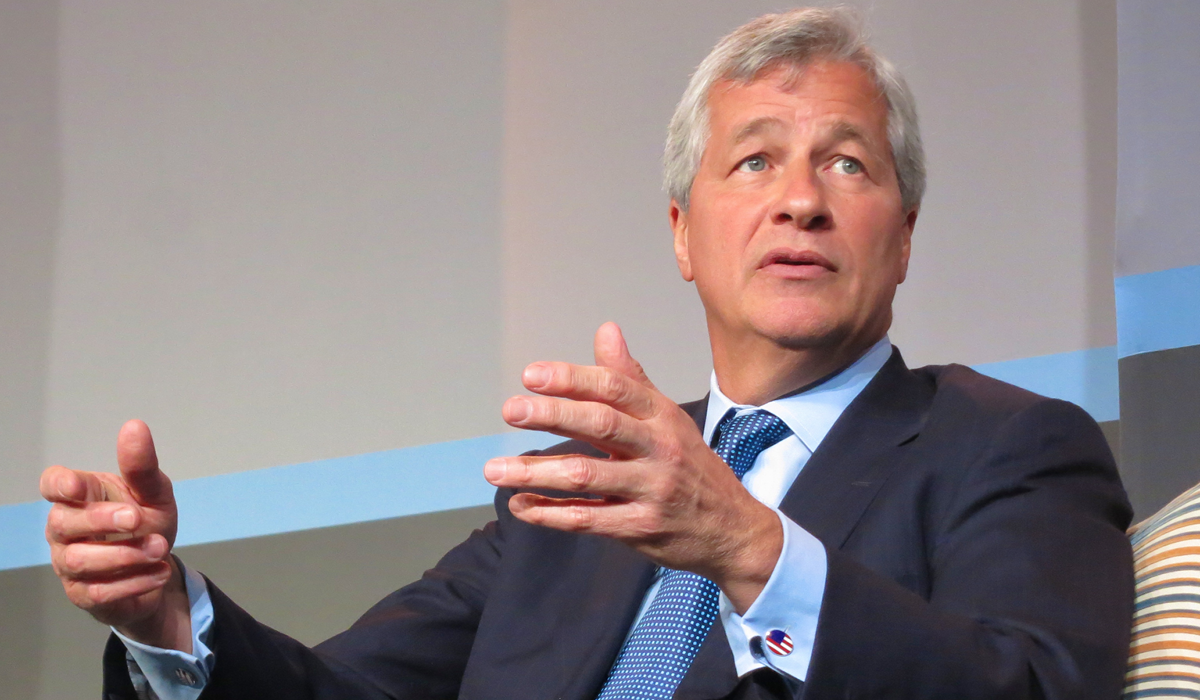
JPMorgan Chase CEO Jamie Dimon
delivered a stark warning to investors on Monday, saying today’s elevated asset
prices and competitive lending environment bear uncomfortable similarities to
the years leading up to the 2008 financial crisis.
Speaking at the bank’s company update
event in New York City, Dimon said he is increasingly uneasy about what he
described as growing complacency in financial markets.
With asset prices and transaction
volumes at high levels, he warned that investors and lenders may be
underestimating the risks building beneath the surface.
“My own view is people are getting a
little comfortable that this is real, these high asset prices and high volumes
– that we won’t have any kind of problem whatsoever,” Dimon said.
The chief executive of the largest
U.S. bank said the current mood of optimism, fueled by strong profits and
abundant liquidity, echoes patterns seen nearly two decades ago.
“Everyone’s coining money and
everyone’s great,” he said. “It does feel really good. And then when I think
about all the factors taking place, I like to take a deep breath and say,
‘Watch out.’”
Dimon said he does not know when a
reversal might occur, but he believes a turn in the credit cycle is inevitable.
“My anxiety is high over it. I’m not assuaged by the fact that asset prices are
high. In fact, I think that adds to the risk,” he said.
Drawing direct parallels to the pre
crisis period, Dimon noted that from 2005 through 2007 markets were buoyant,
leverage was abundant and confidence was widespread.
“The rising tide was lifting all
boats, everyone was making a lot of money, people were leveraging to the hilt.
The sky was the limit,” he said.
He pointed to intensifying
competition in the lending market as a key risk factor. JPMorgan, he said, now
faces more competitors than ever, with many institutions aggressively pursuing
growth.
Despite that pressure, Dimon stressed
that the bank is maintaining a disciplined approach.
“We stick to our own rules,” he said,
adding that JPMorgan would rather forgo business than compromise underwriting
standards. “If the bank loses business because we don’t want to underwrite a
leveraged loan, so be it. We’re not chasing anything.”
Dimon appeared to criticize
competitors who may be stretching risk appetite to boost short term earnings or
market share.
He referred to what he sees as “a
couple of people doing some dumb things” to generate net interest income or
claim victories in markets businesses.
At the same time, Dimon acknowledged
that JPMorgan is operating from a position of strength.
The bank holds significant excess
capital and is benefiting from a more favorable regulatory environment for
mergers and acquisitions. Analysts questioned him about whether the lender
would pursue large scale deals.
Dimon said his preference remains
organic growth, but he did not rule out acquisitions if the right opportunity
emerges. “Inorganic is very important,” he said.
He highlighted payments and asset and
wealth management as areas of strategic interest.
“I’d love Mary to buy something if it
made sense,” Dimon said, referring to Mary Callahan Erdoes, head of the bank’s
asset and wealth management division.
However, he emphasized that if
attractive targets do not materialize, the bank has the ability to hire talent
and expand internally.
“Payments, I would look at all the
time,” Dimon said, noting that while some past acquisitions have not succeeded,
that would not deter future attempts.
Dimon’s remarks come amid broader
concerns about geopolitical uncertainty, macroeconomic volatility and the
durability of the current expansion.
While markets remain resilient, his
warning underscores the tension between record asset valuations and the
historical lessons of prior credit cycles.
For JPMorgan, the message is clear.
The environment may feel strong, but discipline and caution will define its
strategy as it navigates what Dimon views as mounting systemic risk.