
Join a community of professionals and get:
on all CeFPro events.
unlock speaker decks and audience polls.
Full library access the moment you sign up.
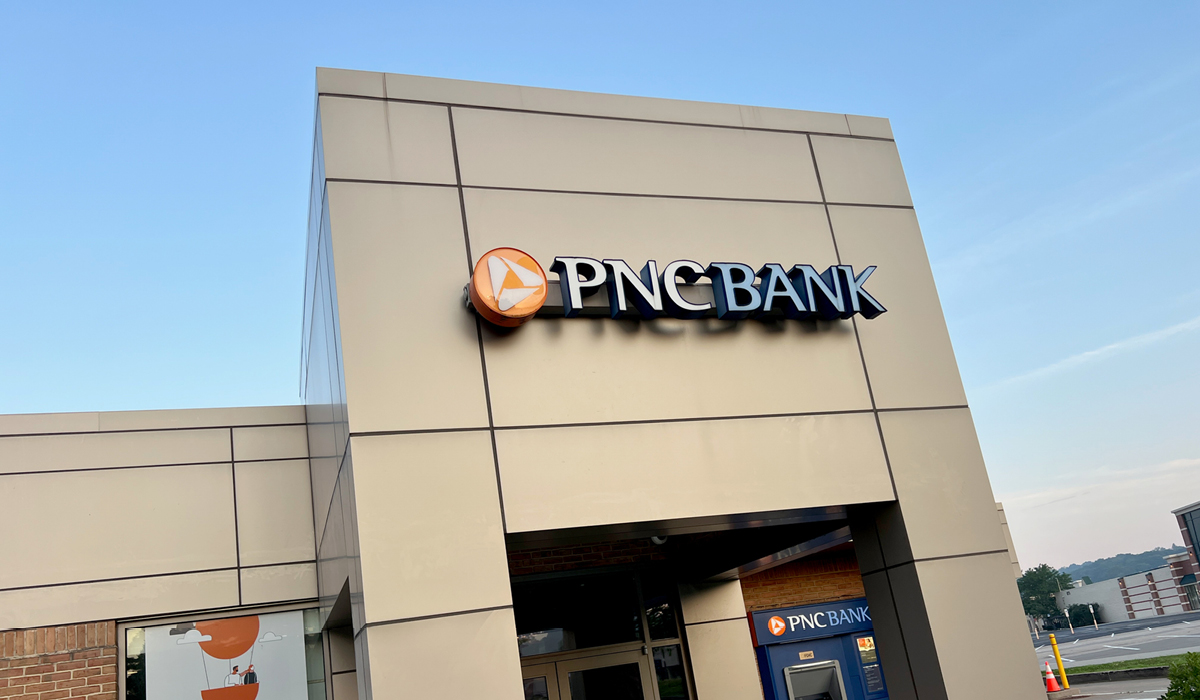
• PNC CEO Bill Demchak says large bank mergers remain unlikely due to execution and compliance risks
• Even similarly sized deals pose major systems and operational challenges
• PNC is acquiring FirstBank but pursuing significant organic growth
• Rising valuations make small bank acquisitions difficult for buyers
• Major deals elsewhere highlight industry momentum but skepticism persists
As consolidation accelerates across the banking industry, PNC CEO Bill Demchak cast fresh skepticism this week on the likelihood of a large bank merger taking place anytime soon.
Despite a surge in dealmaking, he warned that the operational and strategic challenges associated with major transactions remain vast.
Speaking Tuesday at the Goldman Sachs U.S. Financial Services Conference, Demchak cautioned that even a theoretically attractive deal involving a similarly sized institution would be fraught with difficulty.
“Some notion that I can do banker math and put two things together and wave a magic wand and actually execute and cause that outcome is a super dangerous notion,” the head of the Pittsburgh-based super-regional said.
He stressed that combining with a bank equal to or even half the size of PNC would introduce ‘material execution risk, compliance risk, systems risk’ and a host of organizational headaches ranging from operational conversion to leadership clashes.
The complexities of merging technology, processes and culture, he said, cannot be underestimated.
PNC has not been absent from recent dealmaking. In September, the bank announced plans to acquire Colorado-based FirstBank for $4.1 billion.
Still, executives have simultaneously emphasized organic growth, with plans to build 300 new branches by 2030. The bank’s strategy reflects a measured approach to scale rather than an aggressive pursuit of transformative acquisitions.
Demchak’s broader comments on the M&A environment came in response to a question from a Goldman Sachs analyst about whether any potential bank combinations posed competitive pressure.
He dismissed the idea that large institutions are eager to sell. “If we wanted to even do anything, have you heard anybody come up here and say, ‘I’m interested in selling’?” he said. “No, they all want to buy.”
Smaller banks, however, remain more open to being acquired. “Every small bank’s for sale,” Demchak said, though he added that valuations have climbed so sharply that buyers “struggle with any of the metrics associated with it.”
High pricing, he noted, is a meaningful deterrent even for institutions motivated to scale through acquisition.
His comments come as the market has seen a wave of sizable deals this year.
Fifth Third is preparing to acquire Comerica for $10.9 billion, Synovus and Pinnacle announced an $8.6 billion merger of equals, and Huntington proposed a $7.4 billion purchase of Cadence Bank. Even Wells Fargo’s CEO has acknowledged that the bank once again has the option to pursue acquisitions.
Demchak has long argued that scale is essential for competing against industry giants like JPMorgan Chase and Bank of America.
He has stated a desire to double PNC’s size but insists the bank will not pursue what he called “a silly price” or take on a franchise he considers “busted.”
Despite the appetite for growth across the sector, Demchak underscored that the operational realities of large-scale mergers remain unchanged.
He cautioned that while the current regulatory environment is more permissive than in recent years, it does not eliminate the inherent risks of integrating major financial institutions.
As M&A activity continues to build momentum, his remarks reflect a pragmatic view: consolidation may define the industry’s future, but not all deals are worth the cost.