
Join a community of professionals and get:
on all CeFPro events.
unlock speaker decks and audience polls.
Full library access the moment you sign up.
• Policies reportedly restricted or added extra approvals for controversial industries
• Trump accused Bank of America of debanking conservatives, which the bank denied
• Banks have since softened ESG and DEI language in public documents
• OCC may weigh politicized debanking in licensing and CRA evaluations
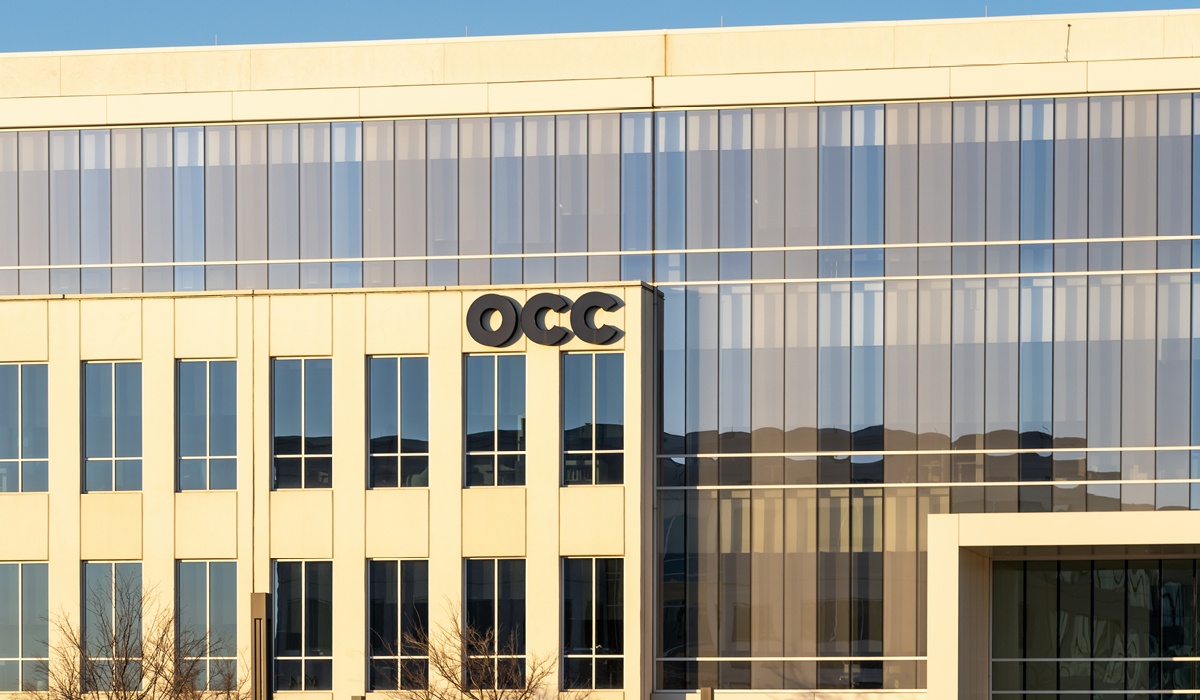
Nine of the nation’s largest banks improperly limited services to customers in certain industries, according to a preliminary report released Wednesday by the Office of the Comptroller of the Currency.
The agency said the institutions “made inappropriate distinctions among customers” by relying on internal policies that restricted access to banking or required heightened approvals for specific groups.
The OCC did not cite individual cases where customers were denied or discouraged from obtaining services.
Instead, its review drew from banks’ environmental, social and governance frameworks, as well as corporate responsibility policy statements issued between 2020 and 2022.
The institutions named in the report include JPMorgan Chase, Bank of America, Citi, Wells Fargo, U.S. Bank, PNC, Capital One, TD and BMO.
The agency said the banks’ policies limited services or triggered additional layers of review for clients connected to oil and gas, coal, firearms, private prisons, tobacco, payday lending, adult entertainment, digital assets and political action committees or political parties.
The inclusion of politically affiliated clients has been at the center of renewed public and political scrutiny.
That tension escalated in January when former President Donald Trump accused Bank of America of ‘debanking conservatives’ while its CEO, Brian Moynihan, appeared onstage at the World Economic Forum in Davos.
“What you’re doing is wrong,” Trump said, urging the bank to open its services more broadly.
Bank of America rejected the allegation, stating it ‘never closes accounts for political reasons and doesn’t have a political litmus test’.
Moynihan, speaking again a month later, reiterated that position and argued that concerns about political bias stemmed from misunderstandings about regulatory pressure rather than bank policy. “We bank everybody,” he said.
Since these accusations surfaced, several major banks have reduced or removed language referring to ESG and diversity, equity and inclusion in public-facing documents, signaling a strategic recalibration amid rising political scrutiny.
Citi took a more concrete step in June, abandoning a policy it had maintained for seven years that restricted firearms sales by certain retail clients.
The OCC, meanwhile, signaled late last year that it would increase scrutiny of banks’ decisions to end or restrict relationships with clients based on non-financial criteria.
In September, the regulator announced it would review, ‘on a case by case basis’, policies and procedures designed to avoid politicized or unlawful debanking.
The agency also said it would consider instances of such debanking when assessing license applications and Community Reinvestment Act ratings.
Although Wednesday’s report does not outline enforcement actions, it marks one of the clearest signals yet that federal regulators intend to challenge banks whose internal policies could be interpreted as politically motivated or discriminatorily restrictive.
The review also aligns with a broader political push to rein in ESG-oriented decision making within the banking sector, as lawmakers debate the appropriate boundaries of commercial discretion.
The OCC’s findings are likely to fuel continued debate over how banks evaluate reputational risk, manage controversial industries and comply with evolving expectations from regulators, investors and elected officials.
The agency’s final report is expected to shed further light on how it intends to define and regulate the limits of acceptable risk-based customer selection.