
Join a community of professionals and get:
on all CeFPro events.
unlock speaker decks and audience polls.
Full library access the moment you sign up.
• Fed approves Pinnacle–Synovus merger forming a $116 billion regional bank
• Executives say the deal avoids pitfalls seen in earlier Southeastern mergers
• Integration planned through 2026 with conversions expected in early 2027
• Analysts warn the slow, careful approach aims to prevent operational missteps
• Public comments raised concerns about fair lending and branch distribution
• Regulators say both banks met CRA expectations and pledged continued community support
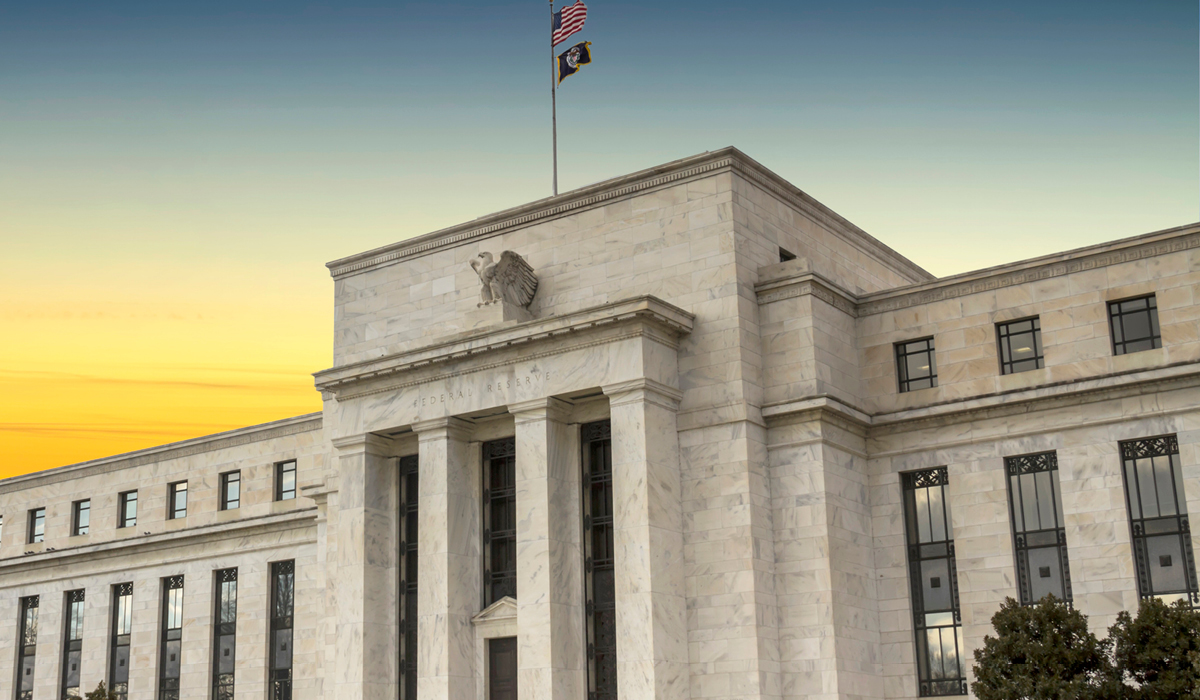
The Federal Reserve on Tuesday approved the merger of Tennessee-based Pinnacle Bank and Georgia-based Synovus Bank, clearing the way for the creation of a regional institution holding 116 billion dollars in assets.
With shareholder approval secured earlier this month, the two lenders expect the deal to close on 1 January.
Under the agreement, the combined bank will adopt the Pinnacle name. The holding company will be headquartered in Atlanta, while the bank itself will remain based in Nashville.
The all-stock transaction, valued at 8.6 billion dollars when announced in July, was initially met with muted investor enthusiasm.
Since then, executives have taken care to distance the deal from the high-profile merger that created Truist, which became a cautionary tale for regional integration.
Pinnacle CEO Terry Turner, who will serve as board chair, has repeatedly insisted this merger is fundamentally different, citing early decision-making and clarity around leadership roles.
Synovus CEO Kevin Blair, who will lead the combined institution as president and chief executive, said the two firms deliberately avoided a rigidly “equal” approach, instead prioritising “the best athlete” for key positions.
The banks said their integration teams are working closely to prepare for day one operations and to map out a detailed timeline for the full transition.
Systems, processes and staff will merge gradually throughout 2026, with major conversions targeted for the first half of 2027.
Analysts at JPMorgan Securities have noted that front-line bankers will be shielded from much of the administrative workload to prevent disruption to daily business.
Blair said the banks are drawing heavily on lessons from past mergers to avoid known pitfalls.
He added that maintaining strong local leadership and continuity across markets is central to preserving what he described as Pinnacle’s legacy of engaged teams, loyal clients and strong shareholder returns.
In its approval order, the Federal Reserve noted the banks’ overlapping operations in several southeastern states, including Alabama, Florida, Georgia, South Carolina and Tennessee. The combined institution will hold between 1.4 percent and 12.7 percent of total deposits in those markets.
However, the Fed also acknowledged two public objections raising concerns over fair lending practices.
Commenters alleged that both banks made disproportionately fewer home loans to African American borrowers compared with white applicants, and that Pinnacle denied such loans at higher rates.
Additional concerns were raised about credit accessibility for microbusinesses and branch availability in low- to moderate-income or majority-nonwhite communities.
Both banks defended their lending records, asserting that their mortgage and small-business lending meet or exceed peer performance in relevant Community Reinvestment Act assessment areas.
Regulators said neither bank has been cited for discriminatory practices and that each has taken steps to address any perceived gaps, including new initiatives in underserved areas.
The banks also highlighted partnerships with community organisations and submitted 26 letters of support from clients and local groups.
They emphasised that any branch closures or relocations after the merger will be limited and that efforts to expand presence in low- to moderate-income communities will continue.
Both institutions received satisfactory CRA ratings in their most recent evaluations, the Fed noted.
The approval moves the deal into its final stages as the two banks prepare to launch one of the largest regional combinations in the current regulatory cycle.
The coming year will determine whether their promise of a seamless integration sets a new benchmark or becomes another reminder of the risks inherent in large bank mergers.