
Join a community of professionals and get:
on all CeFPro events.
unlock speaker decks and audience polls.
Full library access the moment you sign up.
- Built on ownership, answerability, and
consequences to drive trust and ethics.
- Starts at the board and cascades through
strategy, roles, and communication.
- Reinforced by performance systems, monitoring,
and fair enforcement.
- Leaders model integrity via policies,
incentives, feedback, and speak-up culture.
- Measured through ethics-based performance
metrics and cultural assessments.
- Sustained through adaptability and proactive
risk management in changing environments.
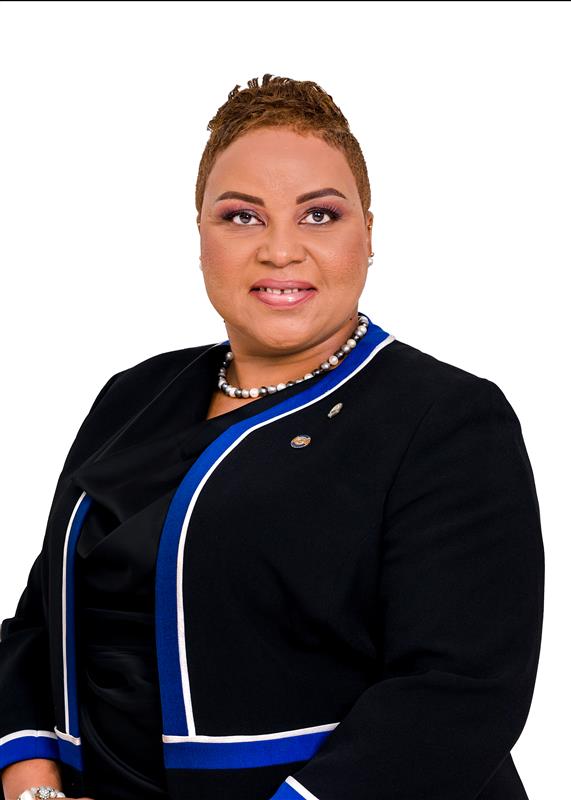
Ahead of Risk Americas 2026 we spoke to
Jennifer Marshall-Robertson. Accountability in organizations centers on
ownership, answerability, and consequences, aiming to build trust through
ethical leadership and transparency. It must translate into daily behaviors via
governance structures, performance systems, and culture. Leadership modeling,
measurement, adaptive frameworks, and proactive risk management ensure
accountability remains embedded, especially amid technological and workplace
changes.
How do you define accountability within
your organization, and how is that definition translated into day-to-day
behaviors at different levels of the business?
First, we must establish what is at the
core of Accountability.
At the core is the obligation of ownership,
answerability and consequences.
The primary aim of Accountability is the establishment of a trust- based
relationship between all levels and all stakeholders of the organization which
promotes responsible leadership and decision making through ethical judgment and transparency.
Accountability must be translated into the
day-to-day behaviors at all levels of the business. It must be translated from
framework and policy to demonstrable performance actions,
communication practices and consequential management.
Accountability begins with the Board of any
business/organization- as the tone is always set from the top ;and it must
cascade across all stakeholder groups.
Within the business, this can be translated
in some of the following ways:
i. Clear
establishment of Strategy, Risk Appetite
and Tolerance by the Board.
ii. Clear
allocation of decision-making authority within the organization
iii. Transparent
communication of actions and outcomes to stakeholders. ( Effective Internal and
External Communications policies and practices).
iv. Effective
Performance Measurement and Management Systems
v. Clear
distinction between decision-making authority and oversight functions; and segregation of duties.
vi. Continuous
monitoring and reporting mechanisms
vii. Establishing
a Code of Ethics and Conduct for Board and all employees, and ensuring a
mechanism exists for monitoring and reporting on compliance.
viii. Defining
the clear role and responsibilities of the Board and its sub-committees, with
Charters developed and a mechanism for evaluation implemented.
ix. Establishing
and enforcing a transparent system of equity and fairness in all practices and
the treatment of issues. ( E.G Escalation, Breaches, Rewards and Sanctions,
Complaints and Issue Management).
What mechanisms do you put in place to
ensure leaders consistently model the conduct standards expected of their
teams, especially when under commercial or operational pressure?
Really this question asks of us: How do we
ensure our leaders “walk the walk”; not “ talk the talk”, and lead by example; especially in circumstances where their
decisions can have weighty consequences or can create an incentive driven
benefit or gain to the individual?
This is a question of Culture- how do you
embed and enforce the desired culture of
integrity, ethics and accountability?
How do you ensure an effective and consistent culture of accountability?
Here are some tested mechanisms that continue to work well
and highly recommended:
i. Implement
consistent HR policies and Conduct & Ethics
policies that apply for all
levels- no bias for Management versus rank-and-file employee. Core values and
model behavior must have one common meaning for everyone.
ii. Establish
Organizational Core Values that guide the Board, Management and all employees,
and implement a system by which all are assessed against these established Core
Values.
iii. Reward
ethical behavior and hold people accountable for unethical conduct. Unethical
behavior is often caused by incentives that place too much pressure on
achieving results at any cost. Performance evaluation, Rewards and Incentives
must not only be driven by financial and other typical corporate targets but
also be informed by evaluation of ethical decision making and core elements of
the organization’s core values and code of conduct.
iv. Implement
feedback mechanisms for leadership- e.g 360 Feedback and other employee survey
feedback mechanisms.
v. Implement
a safe space for honest feedback by employees/ “speak up” culture , without
fear of repudiation or punishment. ( E.g Clear Non-Retaliation Policies,
Anonymous feedback channels).
vi. Implement
clear policies and consistent practices on Discipline violations, irrespective
of rank and title.
vii. Implement
Integrity and Ethics audits as part of the Audit work program- Board should
seek assurance on risk taking areas of the business, areas of approval
authority and areas that could be considered integrity “hotspots”.
How do you actually measure whether your
conduct culture is genuinely embedded, rather than simply documented through
policies and training programs?
There are several ways to gauge conduct
culture, however the following two key mechanisms have been found to be very
effective and consistent with best practice recommendations:
i.
Integrate Ethics into Performance and Incentives - Evaluate employees not only
on what they achieved (sales, targets) but how they achieved it; and incorporate performance metrics that
assess Behavioural Attributes in relation to the organization’s core values and
Code of Conduct & Ethics.
ii. Cultural
Assessments- E.g (a) Anonymous Surveys of
employees on their perceptions of fairness and trust within the
organization; (b) Formal employee feedback mechanisms; (c) 360 feedback; (d)
Audits (e)External stakeholder survey/feedback (e.g customers, shareholders).
What are the best ways to ensure
frameworks can evolve to remain effective as the organization grows,
restructures, or adopts new ways of working?
The key is designing frameworks for
adaptability and resiliency and not based on rigid rules or controls; and most
importantly with strategic alignment and clarity on the organization’s vision
and objectives.
Key principles:
i. Design
frameworks that decentralize decision making, allowing for reduction of silos
and execution by cross functional teams.
ii. Implement
a culture of continuous learning, innovation and openness to adjust and change
as a part of normal routine. Build a responsive and agile organization.
iii. Implement
effective change management procedures, which promote active employee
engagement and involvement in the process.
iv. Data
driven and technology enabled.( Technology must be seen an essential enabler
and integrated in all aspects of the business).
v. Build
redundancy across the organization.
vi. Scalability
and sustainability
What steps should organizations be
taking to proactively identify and address emerging conduct risks - such as
those driven by technology, remote work, or changing workforce expectations -
before they impact culture?
Conduct risk is an aspect of operational
Risk – it is the risk that a firm's behavior, products, or services lead to
poor outcomes, detriment, or harm for customers, stakeholders, or the integrity
of financial markets.
Emerging risks are those risks that are
characterized by their newness, insufficient data, and a lack of verifiable
information and knowledge needed for decision-making related to them.
To
proactively identify emerging conduct risks in the current operating
environment, it is essential that organizations establish context and
first seek to understand how technology and AI proliferation, remote work
and changing workforce expectations are
influencing the current day and future workforce and operating environment of
their organization and more so conduct risk.
What is the organization’s Technology
Transformation Strategy and Remote Work Strategy? Are these defined and clear
frameworks existing?
Have scenarios been established on how the
key conduct risks of mis-selling, conflicts of interest, poor product design
and compliance failures could arise?
The same principles applied for effective
Governance and Risk Management must be employed in these scenarios, starting
with a clearly defined Strategy and an understanding of the various inherent
risks and the sources of risk attached to AI transformation, increased use of
technology in daily customer interfacing, products, services and in remote work.
One of the key pitfalls of proactive risk
identification is lack of required knowledge, skills and the governance and
risk requirements for these growing new areas of business operations.
Prevalent trends:
i. Invasive
AI Surveillance and Privacy Erosion
a. Biometric
Surveillance: Companies are deploying AI-powered webcam surveillance that
tracks employee attention, disengagement, and even facial expressions to judge
productivity, raising significant ethical issues about privacy in the home.
b. "Shadow
AI" Usage: Use of unauthorized
Generative AI tools (Shadow AI) on personal accounts to manage work tasks,
which can accidentally leak proprietary organization data
ii. Gamification
of Productivity Metrics: Employee
dishonesty about actual time spent on work activities while working remotely by
the use of tools such as "mouse jigglers" to fake activity, leading to false performance
reporting, measurement and reward.
iii. Erosion
of accountability- potential for blame to passed unto Agentic AI developers or
employees blaming technology for errors or misappropriate business practices or
decisions, especially where organization utilizes AI in the decision making
process or in the delivery of products and services to clients.
iv. Data
integrity and security risks