Join a community of professionals and get:
on all CeFPro events.
unlock speaker decks and audience polls.
Full library access the moment you sign up.

Digital Content

- Unlimited access to peer-contribution articles and insights
- Global research and market intelligence reports
- Discover Connect Magazine, a monthly publication
- Panel discussion and presentation recordings
Video

As AI adoption accelerates across treasury and balance sheet management, organizations are increasingly exploring how the technology can enhance operational efficiency, accelerate analysis, and automate data-intensive processes. Christian Dembowski discusses the practical use cases where AI is already delivering value, including data transformation, reporting, business analysis, and intraday liquidity management, while highlighting the need for caution when applying AI to high-impact modelling and risk management activities.
The interview also examines the foundations of successful AI implementation, including governance, accountability, and robust operating frameworks. Looking ahead, Dembowski argues that treasury professionals will need to focus less on producing numbers and more on understanding, challenging, and validating AI-generated outputs, ensuring that models remain explainable, reliable, and fit for purpose within financial institutions.
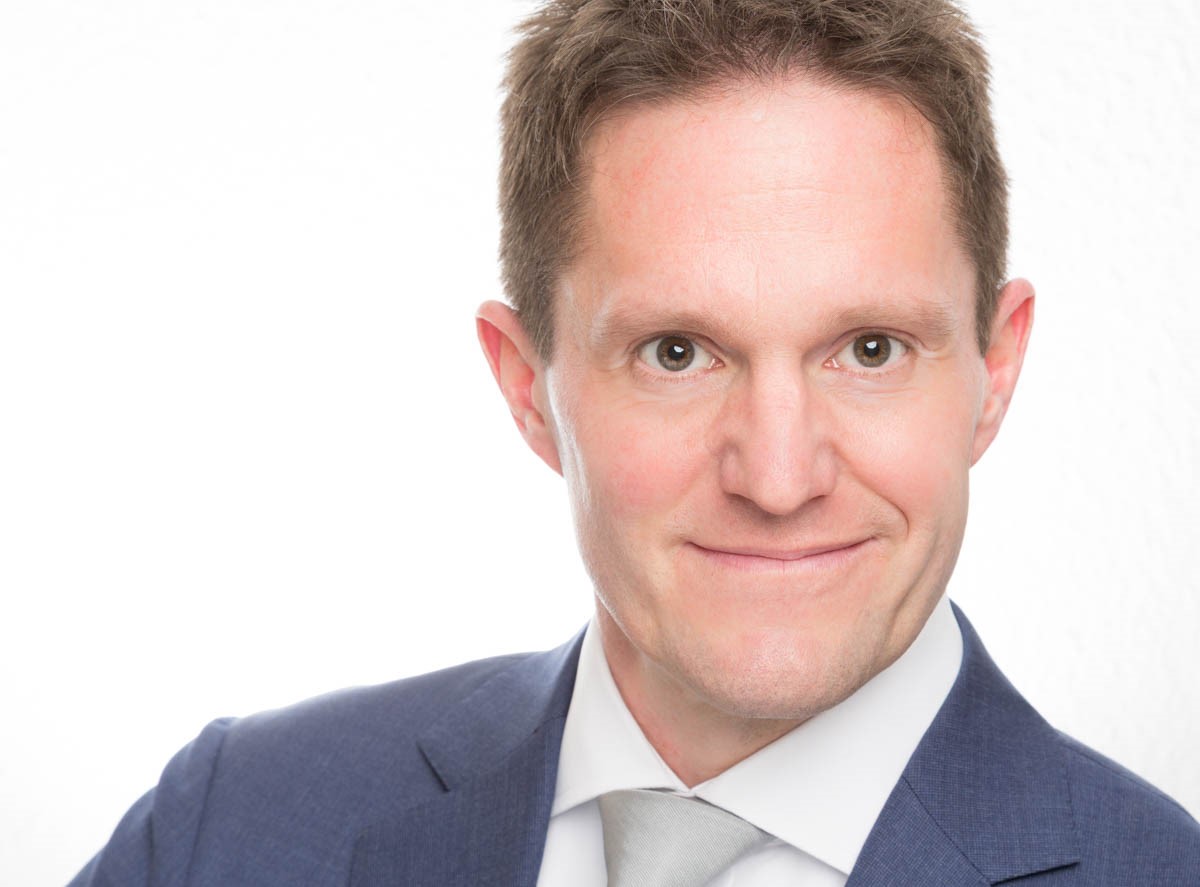
Christian is currently heading a team of data scientist and quantitative analysts to support DZ BANK’s Group Treasury in efficiently managing the group’s liquidity. He and his team are analyzing the daily changes in the key liquidity risk metrics of the regulatory and economic pillar and are identifying exceptional liquidity flows. Aside from looking at the daily data and model outputs, the team is working on advanced approaches to model future liquidity flows and is building a cloud platform as DZ BANK’s liquidity management system. Prior to working with his team in Group Treasury Christian worked for eight years as a credit and equity derivatives trader. He holds a PhD in Experimental Physics and studied in Germany, Boulder, Colorado, and at the CERN particle accelerator in Switzerland. Christian holds a PhD degree in Physics from the University of Darmstadt where his research did focus on the field of quantum chaos and superconducting microwave cavities. Besides Darmstadt he spent extended time at CERN in Geneva and at the University of Colorado Boulder as researcher.