Join a community of professionals and get:
on all CeFPro events.
unlock speaker decks and audience polls.
Full library access the moment you sign up.
Most
institutions know the risks. Few are equipped to act on them.
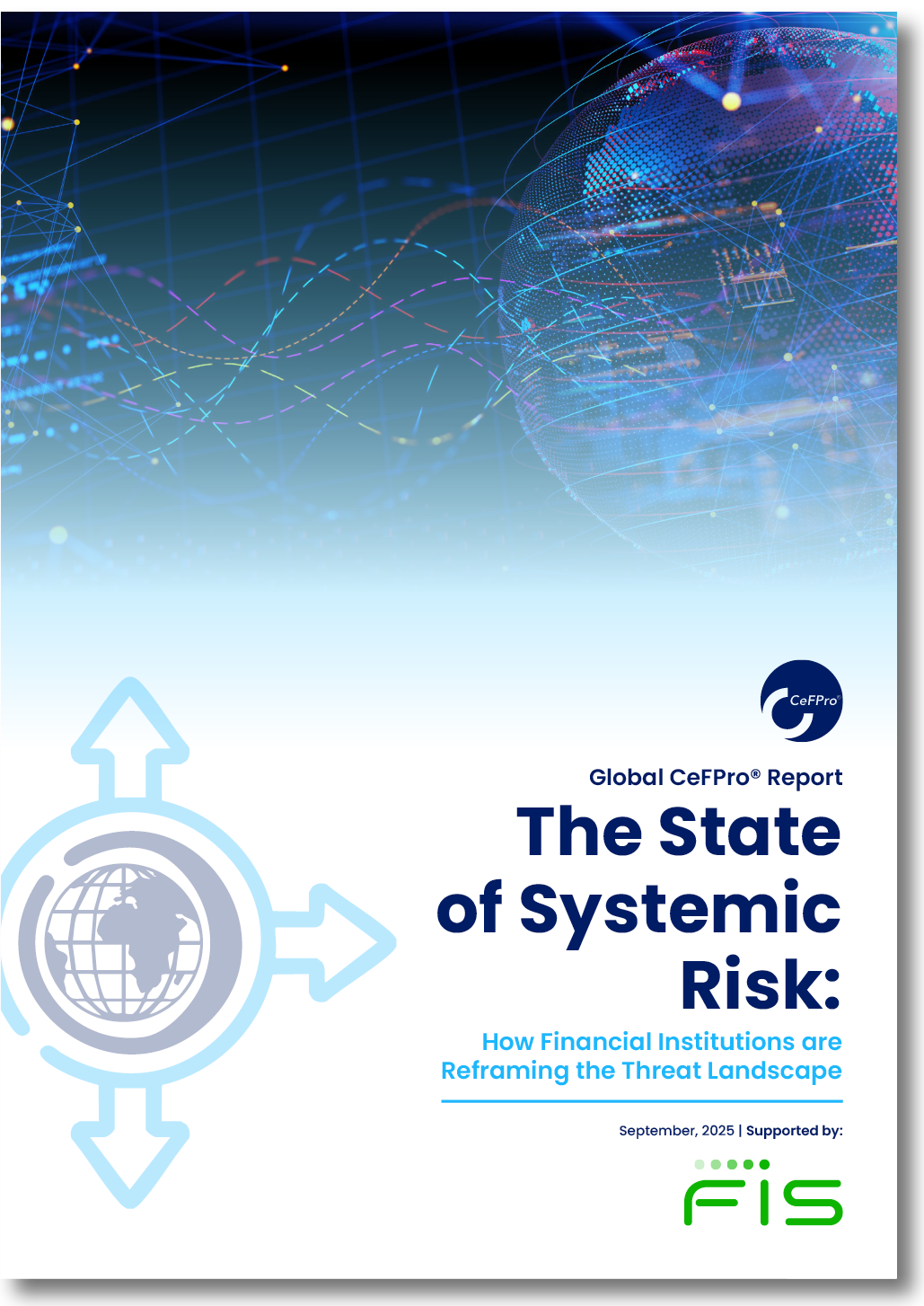
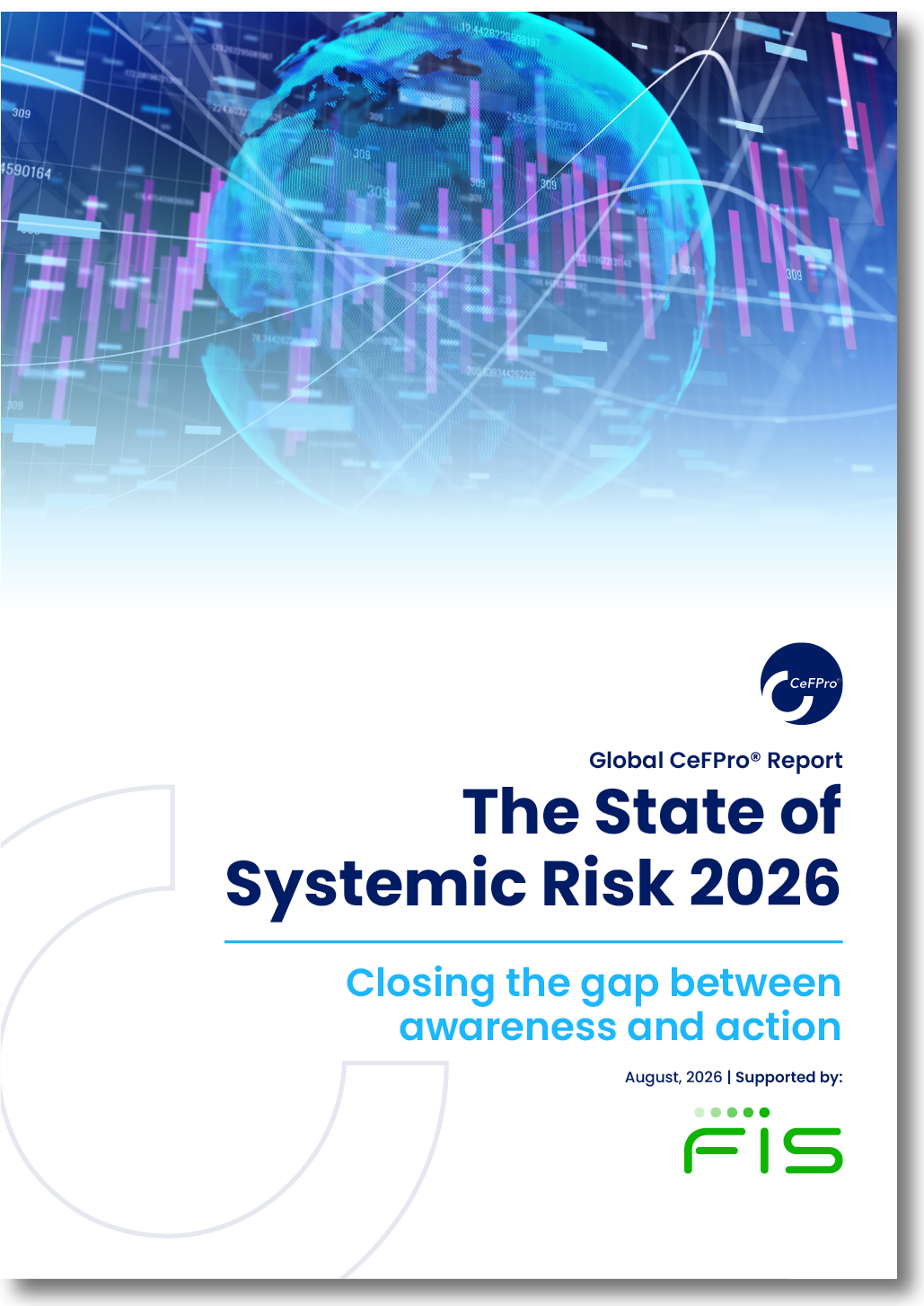
Geopolitical instability, interest rate volatility and regulatory pressure are reshaping how risk professionals think about balance sheet management. New industry research from CeFPro® and FIS® shows that many institutions are struggling with the gap between awareness and action. In The State of Systemic Risk 2026, explore the new risk landscape and discover how to move from insight to decision with confidence.
Read the report
Scattered
risk data leaves you exposed
- Companies point to cost, siloed data and legacy technology as factors that keep them from running more frequent enterprise-wide stress testing. Here's what's CeFPro found in a survey of 166 risk professionals about their risk concerns and the technology they’re using to manage it.
Fragmented systems hide your real exposure
- Only 13% of institutions report a fully integrated view across risk, capital, liquidity and earnings.
Geopolitical risk stays unmodeled
- Just 10% quantitatively model geopolitical scenarios and link them to balance sheet impacts.
Stress testing struggles to drive decisions
- More than half (52%) question whether stress testing meaningfully influences business decisions.
Data doesn't move on its own
- Only 13% of institutions say more than three-quarters of their risk data flows automatically between systems.
See what's driving the gap between risk awareness and action
Download The State of Systemic Risk 2026 from CeFPro®, supported by FIS®, to see how 166 risk professionals view geopolitical, AI and cyber risk. Get the data behind the gaps in integration, modeling and stress testing, and what institutions are prioritizing for 2027.
Download the report