PREMIUM CONTENT

This is premium content, available to Connect Plus users only
Unlock this content and more with Connect Plus membership.
Join a community of professionals and get:
Join a community of professionals and get:
15% discount
on all CeFPro events.
on all CeFPro events.
Post-event access:
unlock speaker decks and audience polls.
unlock speaker decks and audience polls.
Instant insights:
Full library access the moment you sign up.
Full library access the moment you sign up.
Event Q&A
TPRM Metrics Must Measure Risk Reduction Not Activity
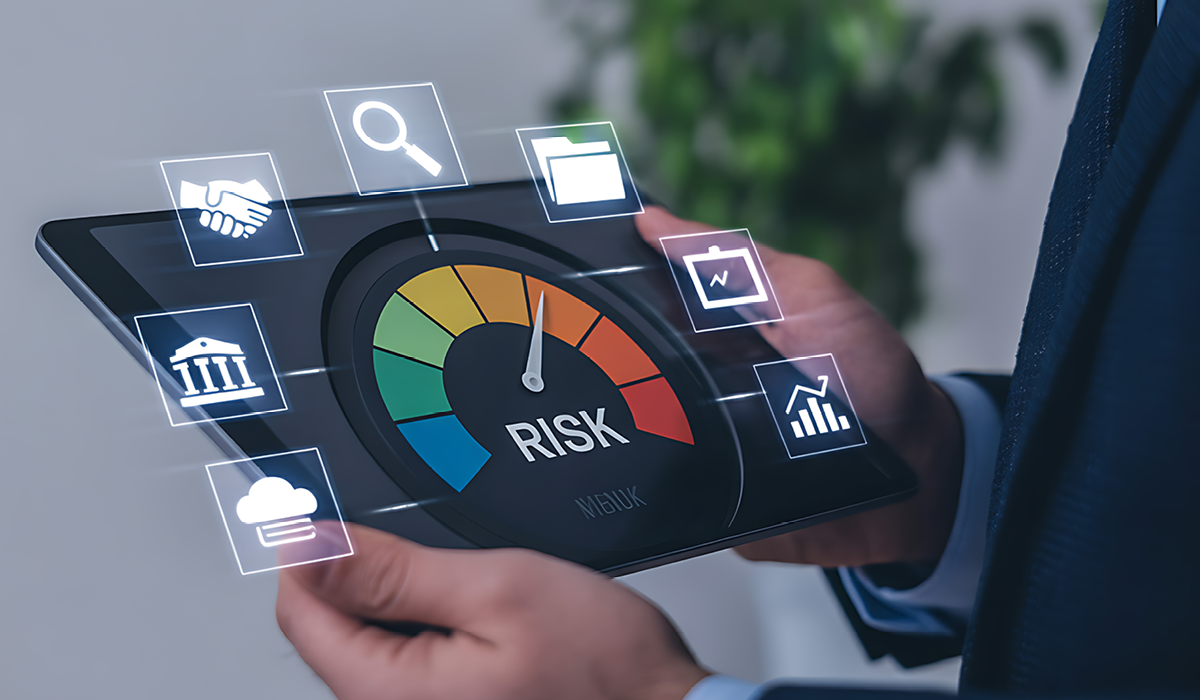
Many TPRM programs still focus on activity metrics rather than actual risk reduction. In this Q&A, Olga Baldwin explores how organizations can improve reporting through board-level metrics, better resource prioritization, and a stronger focus on resilience. She also discusses how AI and continuous monitoring are enabling more predictive, forward-looking risk insights for executives.
Nov 09, 2026

Olga Baldwin, Lead of Third Party Risk Management, StoneX Group Inc
Tags:
Vendor and Third Party Risk
The views and opinions expressed in this content are those of the thought leader as an individual and are not attributed to CeFPro or any other organization
- Examines why activity-based TPRM metrics often fail to demonstrate real risk reduction.
- Explores the reporting metrics that resonate most with boards and senior executives.
- Discusses how organizations can prioritize remediation efforts and allocate resources effectively.
- Highlights the growing importance of concentration risk, resilience, and fourth-party visibility.
- Explores how AI and predictive analytics will shape the future of TPRM reporting and decision-making.
Log in to continue or register for free
WHAT'S INCLUDED:
Unlimited access to peer-contribution articles and insights
Global research and market intelligence reports
Discover Connect Magazine, a monthly publication
Panel discussion and presentation recordings
Related insights —