
Join a community of professionals and get:
on all CeFPro events.
unlock speaker decks and audience polls.
Full library access the moment you sign up.
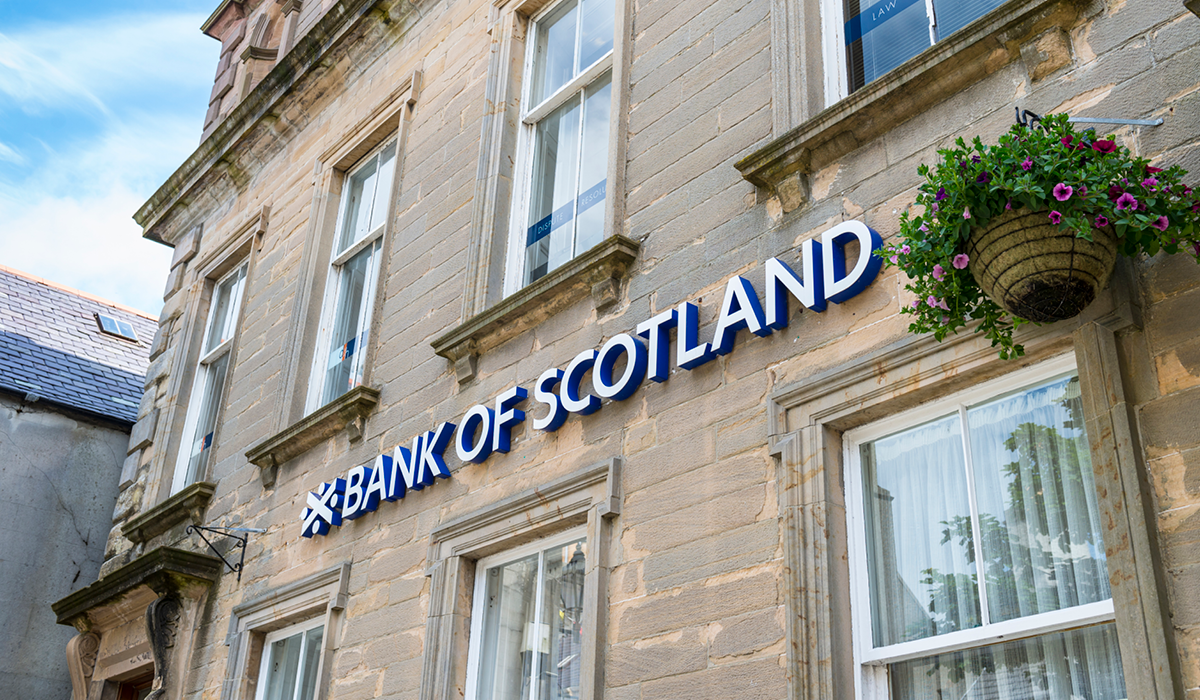
- OFSI fines Bank of Scotland £160,000 for a UK sanctions
breach
- Bank processed 24 payments worth about £77,000 in
February 2023
- Account opened with a British passport carrying a name
variation
- Person identified to Reuters as Dmitrii Ovsyannikov,
later jailed
- Ovsyannikov has been on the UK sanctions list since
2017
- Lloyds voluntarily reported the breach, cutting the
penalty in half
- Bank says it acted swiftly, transparently, and
strengthened controls
- Case spotlights gaps in sanctions screening and
name-matching systems
Bank of Scotland has been fined £160,000 for breaching the United
Kingdom’s financial sanctions regime after it opened an account and processed
payments for a person designated under UK sanctions linked to Russia.
The Office of Financial Sanctions Implementation said the bank
handled 24 payments in February 2023 worth about £77,000 to and from the
sanctioned individual’s personal current account.
According to OFSI, the customer used a British passport that
contained a spelling variation of the name listed on the UK sanctions
designation when the account was opened with Halifax, which is part of Bank of
Scotland.
The variation meant the customer passed controls that should have
blocked dealings with a sanctioned person, resulting in prohibited transactions
being executed.
A person familiar with the matter identified the account holder as
Dmitrii Ovsyannikov, a British citizen.
Ovsyannikov was sentenced to 40 months in prison last year after
being found guilty of money laundering and breaching UK sanctions.
The Crown Prosecution Service said he had held senior roles in the
Russian government and was appointed governor of Sevastopol by President
Vladimir Putin following Russia’s annexation of Crimea.
OFSI said the bank breached prohibitions on dealing with, and
making funds available to, a designated person.
However, the watchdog noted that Lloyds Banking Group, parent of
Bank of Scotland, voluntarily reported the payments in March 2023.
As a result of that disclosure, the final penalty was reduced by
half, reflecting the regulator’s policy to incentivise timely self-reporting
and remediation.
In a statement responding to the fine, a Lloyds spokesperson said
the group had “acted swiftly and transparently, proactively referring this
one-off, isolated matter to OFSI”.
The spokesperson added that the bank had further strengthened its
controls to continue meeting “the highest standards of risk management and
governance”. A lawyer for Ovsyannikov did not immediately respond to a request
for comment.
Ovsyannikov has been on the UK sanctions list since 2017. The CPS
said he was granted a British passport in January 2023, shortly before the
account activity that triggered the regulator’s action.
The case highlights ongoing challenges for financial institutions
in screening sanctioned individuals who may present documents with name
variations, transliterations, or alternative spellings, particularly in
high-risk geopolitical contexts.
The enforcement emphasizes regulators’ increasing focus on the
effectiveness of sanctions screening, customer due diligence, and name-matching
systems.