

Third-Party Risk in Agentic AI Ecosystems
- Traditional TPRM frameworks struggle to capture agentic AI pathways, permissions, and dynamic dependencies.
- Visibility into fourth-party and nth-party dependencies remains a major challenge for organizations.
- AI governance requires integration across model risk, TPRM, cyber, resilience, and operational risk functions.
- Existing TPRM frameworks remain relevant but must become more dynamic and event-driven.
- Concentration risk within AI ecosystems may become a systemic challenge similar to cloud dependency risks.
- Organizations should build capabilities around transparency, resilience, substitutability, and continuous monitoring.
As organizations increasingly adopt agentic AI solutions powered by foundation models, cloud platforms, and interconnected third-party services, traditional third-party risk management (TPRM) frameworks face new challenges. In this Q&A, former OCC Senior Risk Specialist Naresh Raheja shares his perspective on the evolving risks associated with AI ecosystems, highlighting key governance considerations, emerging regulatory expectations, and the capabilities organizations should be building today to address future resilience challenges.
1. Traditional TPRM frameworks were designed around identifiable vendors and services. What are the biggest blind spots you're seeing today when organizations try to apply those frameworks to agentic AI ecosystems with multiple layers of providers?
Traditional
TPRM was built around identifiable third parties. Identify the third party,
assess how critical the service is and what risk it carries, then set due
diligence, contract terms and monitoring in proportion to that risk. Third
parties still matter with agentic AI, but the picture is more layered and more
dynamic. Much of the risk now sits in pathways, meaning which systems the agent
connects to and calls, and permissions, meaning what it is allowed to access
and do at each step. Together they determine the real exposure, which can extend
well beyond the service that was assessed. Three key blind spots are static
dependency mapping, limited visibility below direct providers, and assessments
focused on the supplier rather than what the AI system can actually do.
2. As organizations deploy AI-powered services built on foundation models, cloud platforms, and third-party agents, what practical methods are proving most effective for mapping and monitoring fourth-party and nth-party dependencies?
Organizations are finding success by focusing on critical services first and allowing materiality to drive the depth of assessment. Effective approaches include connecting AI inventories with third-party registers and service maps, strengthening disclosure requirements for supplier and model changes, and using technologies such as dependency analytics, knowledge graphs, and runtime telemetry. Dependency mapping must become a continuous process rather than a one-time onboarding exercise.
3. From a regulatory perspective, where do you see the greatest gap today between organizations' AI risk governance practices and what supervisors or regulators increasingly expect to see?
The largest gap is often the lack of integration across model risk management, third-party risk, cyber, resilience, and operational risk functions. Regulators increasingly expect firms to demonstrate clear ownership of AI systems, robust governance structures, defined authority boundaries, and well-documented controls. The key question is no longer whether an organization has an AI policy, but whether it understands what an agentic system is permitted to do and how associated risks are governed.
4. Looking ahead 3-5
years, do you foresee organizations needing a fundamentally new model for
third-party risk management to address autonomous AI agents, or will existing
risk and resilience frameworks simply evolve to accommodate them?
Existing TPRM principles remain strong foundations, including criticality assessments, due diligence, contracting, monitoring, resilience, and accountability. However, reviews will need to become more dynamic and event-driven, triggered by changes to models, tools, permissions, and dependencies. Continuous assurance and real-time monitoring will become increasingly important alongside traditional periodic reviews.
5. If agentic AI ecosystems become as critical to business operations as cloud infrastructure is today, what capabilities should organizations start building now to manage concentration risk and systemic disruptions before they become major resilience events?
Organizations should strengthen visibility into the infrastructure underpinning critical AI services, including foundation models, cloud providers, hosting regions, and data sources. They should also develop tested alternatives, graceful degradation capabilities, fallback options, exit strategies, and joint scenario testing with critical providers. Understanding shared dependencies is essential for identifying concentration risk, while resilience planning ensures organizations can respond effectively when disruptions occur.
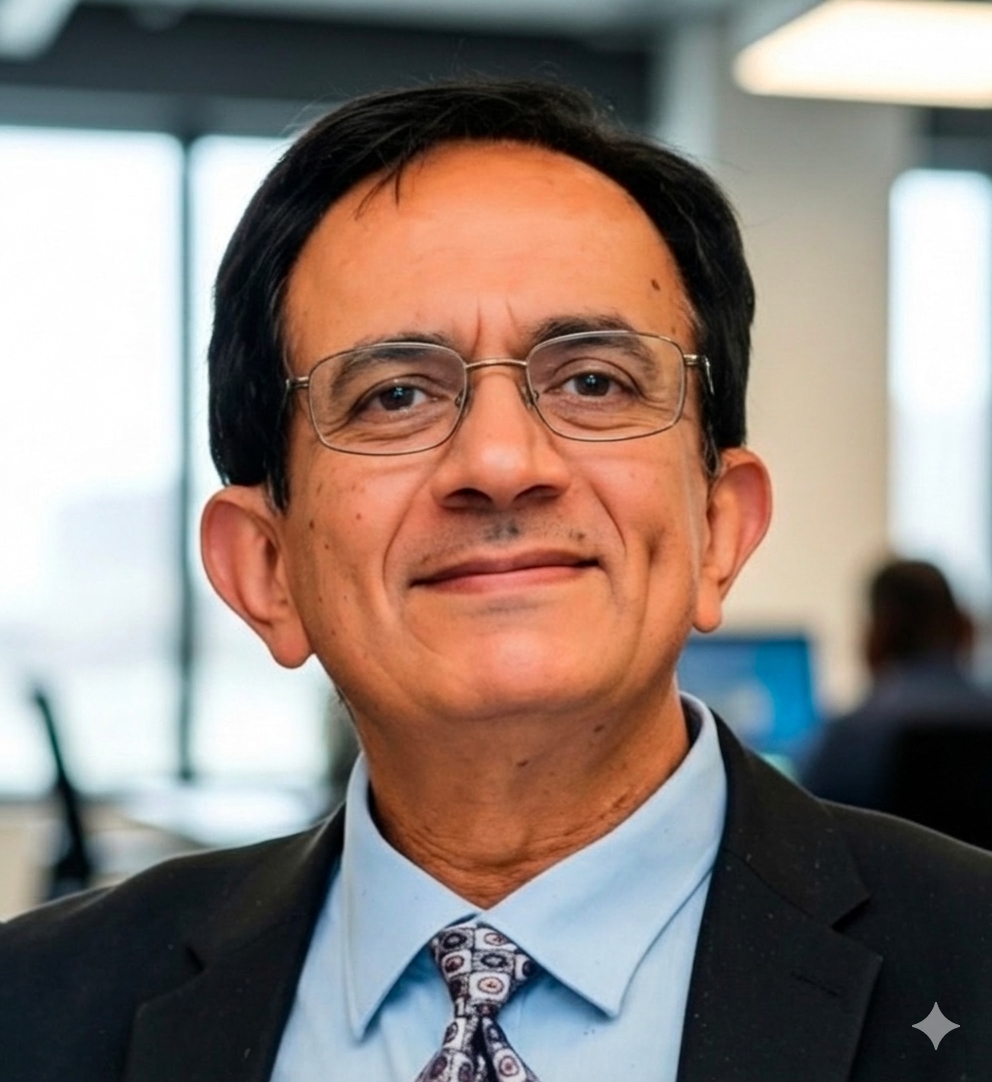
Former OCC - Senior Risk Speciality and Examiner, Independent
Naresh Raheja is a former Senior Risk Specialist and Examiner at the Office of the Comptroller of the Currency (OCC), where his work included supervising model risk management (MRM), including risk management for machine learning models, Generative AI, and agentic AI systems. He also led the supervision of large banks’ practices in managing credit and operational risks arising from extreme risk events and insurability challenges. He collaborated closely with the Federal Reserve, FDIC, OSFI (Canada), PRA (UK), and MAS (Singapore). Spanning banking, insurance, and financial analytics, his prior experience includes building and validating risk models at Moody’s Risk Management Solutions and fintech firms. Naresh is a frequent writer and speaker on AI risk. He focuses on the safe adoption of machine learning, generative AI, and agentic systems, and balancing AI innovation with prudent risk management and supervisory expectations. Outside of work, he enjoys exploring national and regional parks with his family.
LinkedIn profile




