Skip to content

Content Library

Back to Audio

Audio November 3, 2026

Why Human Risk Remains the Biggest Blind Spot in Operational Risk Management

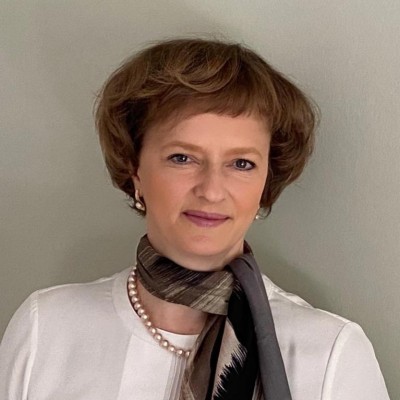
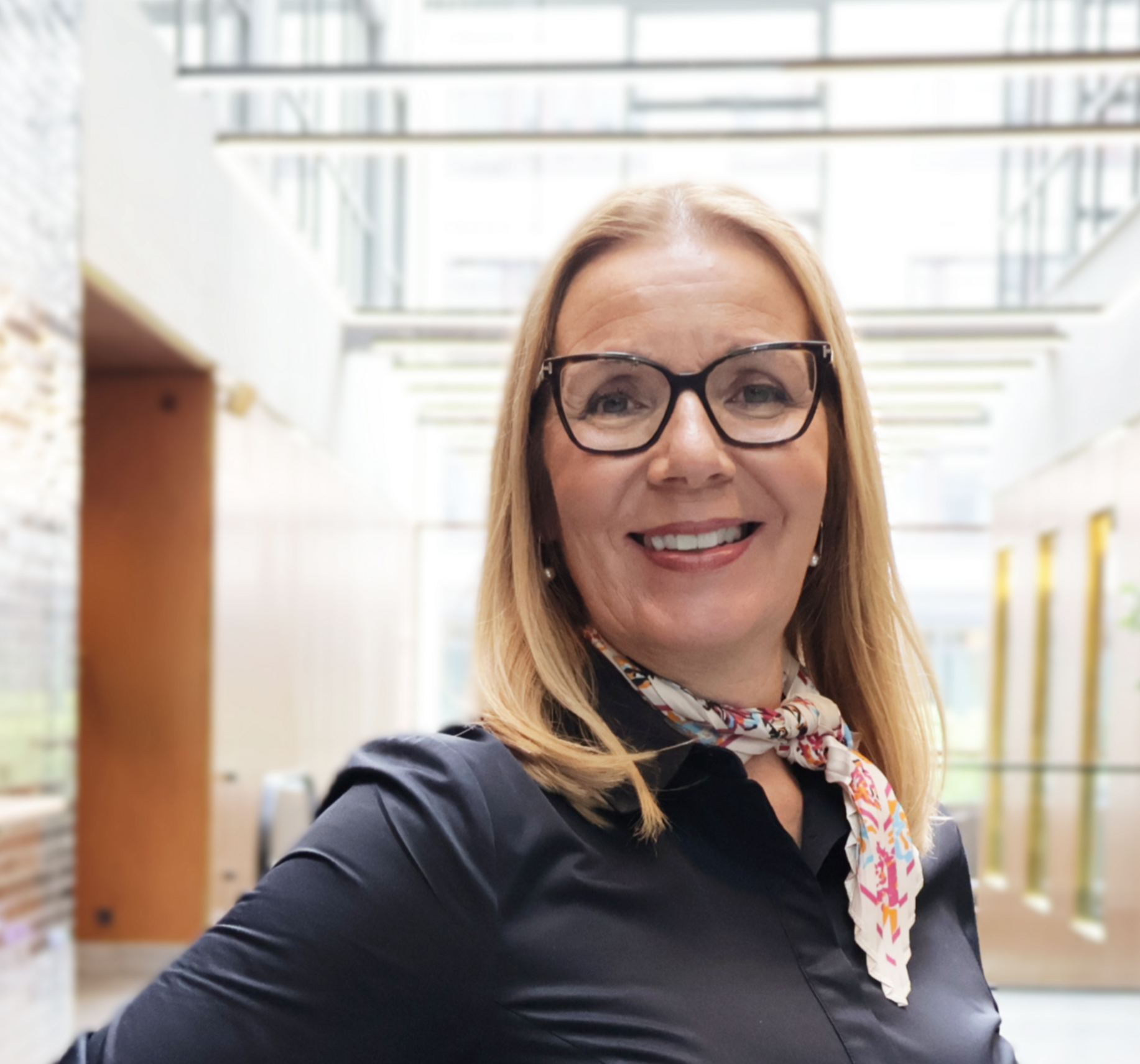
Violeta Cadosch, Head of Operational Resilience & Governance, Swiss ReLinkedIn profile for Violeta Cadosch

Elena Pykhova, CEO & Founder, The OP Risk Company LimitedLinkedIn profile for Elena Pykhova

Sean Titley, CRO, The Bank of London

Satu Qersh, Head of Operational risk, DNB Bank ASA, Sweden branch

Lisa Kalscheur, Chief Marketing Officer, Weave.AILinkedIn profile for Lisa Kalscheur

As organisations invest heavily in AI, automation and resilience programmes, human behaviour remains one of the most influential drivers of operational risk. At Next Gen OpRisk Europe 2026, industry leaders examined how trust, accountability, culture and psychological safety shape risk outcomes, arguing that stronger human connections and leadership engagement may be more effective than additional controls in reducing operational risk.

 display-sc-embed-code-here

Financial institutions are operating in an environment where technological change, regulatory pressure and organisational complexity are accelerating faster than ever. Yet despite growing focus on AI, cyber threats and operational resilience, the panel argued that people remain at the centre of virtually every risk event. Human and behavioural risk has not necessarily increased, but it is manifesting in new ways through hybrid working, digital transformation, workforce burnout and the emergence of AI-enabled decision-making. As a result, firms may need to rethink how they identify, monitor and govern behavioural risk across the enterprise.


Perhaps the most provocative conclusion was that more controls do not always create less risk. Several speakers suggested that organisations focused solely on compliance, reporting and process completion can inadvertently weaken trust, accountability and engagement. Instead, operational risk leaders should spend more time embedding themselves within the business, championing psychological safety, celebrating positive risk behaviours and helping leaders build cultures where employees feel empowered to challenge decisions, report concerns and contribute to stronger organisational resilience.

Connect Plus

Unlock more with Connect Plus membership

This content is available to Connect Plus members.