
Join a community of professionals and get:
on all CeFPro events.
unlock speaker decks and audience polls.
Full library access the moment you sign up.
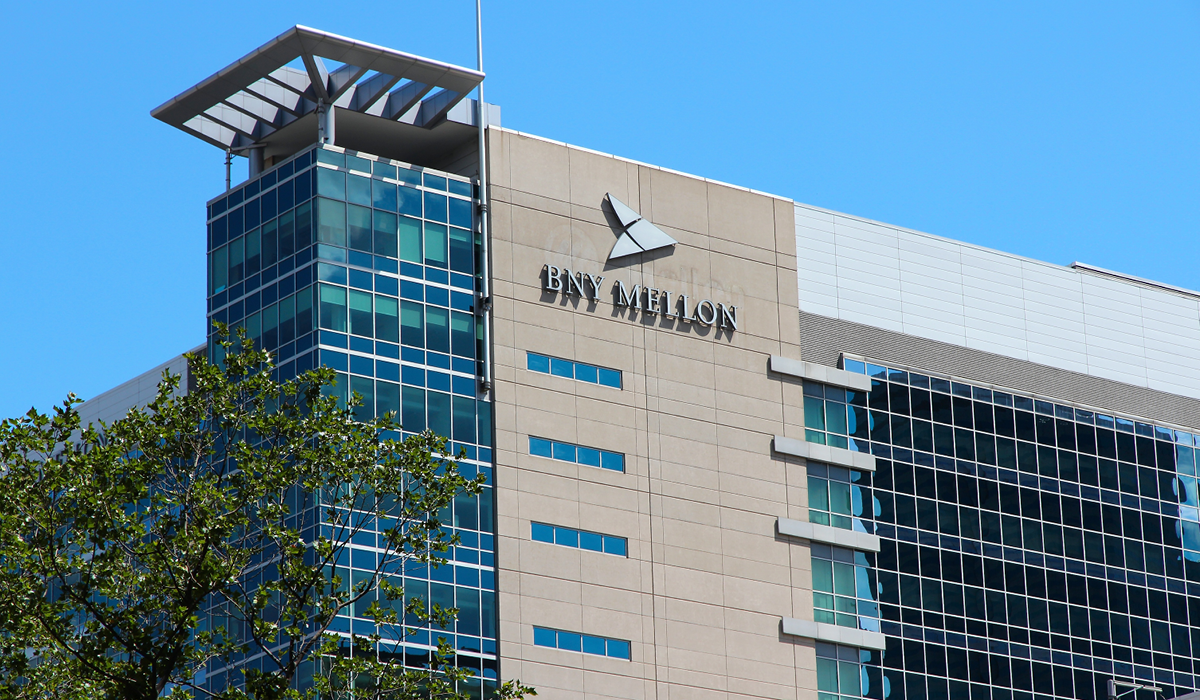
- Senator Ron Wyden is pressing BNY Mellon over its
handling of Epstein linked accounts
- Wyden alleges wire transfers showed money laundering
patterns not reported until 2019
- Committee investigators identified $378 million moved
through BNY accounts
- Wyden says delayed reporting may have enabled Epstein’s
crimes
- BNY denies wrongdoing and says Epstein was never a
direct client
- Class action lawsuits against BNY and Bank of America
remain ongoing
- Wyden is seeking names of bankers and detailed due
diligence records
Federal scrutiny of banks tied to Jeffrey Epstein has sharpened
after Senator Ron Wyden sought further explanations from BNY Mellon over its
handling of accounts linked to the late financier and convicted sex offender.
In a letter sent Wednesday to BNY chief executive Robin Vince, the
Oregon Democrat said a series of Epstein related wire transfers showed patterns
consistent with money laundering but were not reported to the US Treasury until
2019, the year Epstein died in federal custody.
Wyden said the delay raised serious questions about whether the
bank complied with its legal obligations.
Wyden highlighted 18 wire transfers of $1 million each sent in
2007 from Epstein linked accounts at BNY to his accounts at JPMorgan Chase.
He asked whether bank staff questioned the purpose of the
transactions or conducted enhanced due diligence.
“Did BNY Mellon employees inquire about the purpose of these
transactions or conduct any enhanced due diligence,” Wyden wrote, requesting
detailed responses by February 6. The senator is the ranking member of the
Senate Finance Committee.
Committee investigators identified a 2019 filing in which BNY
disclosed that Epstein had moved $378 million in and out of BNY accounts
through 270 wire transfers.
According to Wyden, the bank said at the time that it had failed
to determine the purpose of the transactions.
“By waiting years to report Epstein’s suspicious transactions to
US regulators, BNY may have broken the law,” Wyden said.
He added that the failure to report suspicious activity earlier
may have had grave consequences.
“BNY’s failure to contemporaneously report Epstein’s suspicious
activity to federal law enforcement may have enabled Jeffrey Epstein’s horrific
crimes and allowed the abuse of women and girls to continue for years,” Wyden
said.
“Epstein was moving enormous sums of money around the globe to
traffic women and girls, and BNY was well positioned to blow the whistle.”
BNY responded in a statement Wednesday, saying it recognized the
importance of accountability for Epstein’s crimes but rejected the senator’s
claims.
“As we have made clear, Jeffrey Epstein was never a direct client
of BNY, and we will continue to defend ourselves against these meritless
allegations,” the bank said.
The $378 million in transactions have become a central focus of
class action lawsuits filed in October against BNY and Bank of America by
individuals alleging they were victims of Epstein.
Those cases argue that banks enabled Epstein by failing to monitor
or report suspicious activity.
Wyden said his investigation into Epstein related financial flows
is now in its fourth year. He described what he called a broader pattern of
misconduct in the financial sector.
“One of my core takeaways is that there is a pervasive culture of
lawlessness on Wall Street as these banks turn a blind eye to the criminal
activities of billionaires like Jeffrey Epstein,” Wyden said.
He argued that withholding suspicious activity reports until a
suspect is already behind bars undermines law enforcement efforts.
The senator called for criminal investigations into institutions
that banked Epstein or may have enabled his activities and urged scrutiny of
individual bankers involved.
He asked BNY to provide the names of relationship managers and
supervisors who oversaw Epstein linked accounts, along with copies of know your
customer and due diligence profiles prepared between 2003 and 2019.
Wyden also requested a list of all cash withdrawals exceeding
$10,000 from Epstein linked accounts over nearly two decades, including the
stated purpose of each transaction, and asked whether any BNY executives faced
internal investigations over the matter.
Earlier this week, Bank of America moved to dismiss claims against
it, arguing that the amended complaint by plaintiffs added allegations but
failed to meet legal standards.
JPMorgan Chase and Deutsche Bank each reached multimillion dollar
settlements in 2023 with individuals alleging harm linked to Epstein.